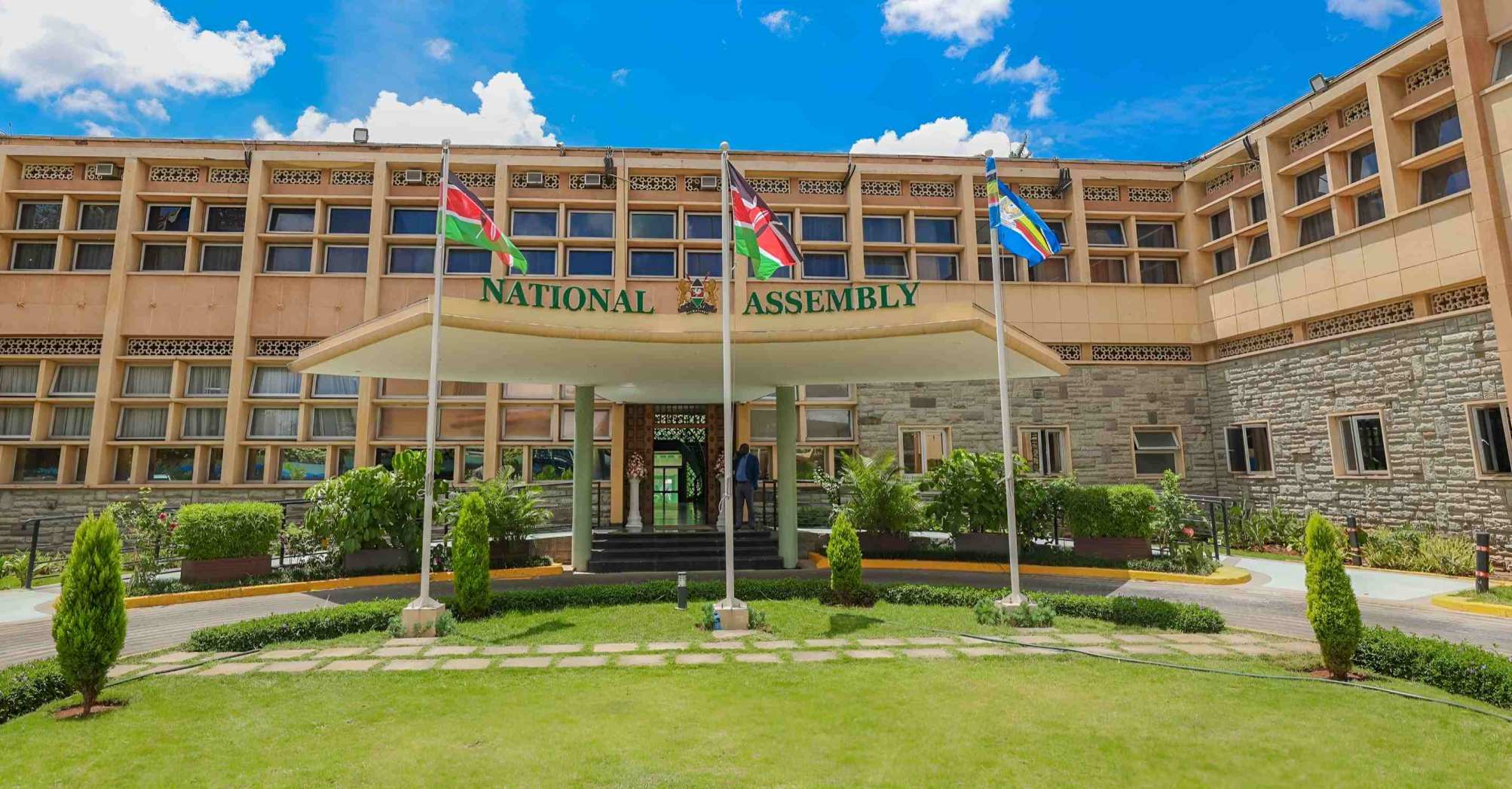
A fresh attempt to overhaul Kenya’s human tissue and organ donation framework has been placed before Parliament, with a new Bill seeking heavy fines and lengthy jail terms for anyone involved in unauthorised organ removal or illegal transplant activities.
The proposed law aims to close existing gaps and strengthen protections for people at risk of exploitation.
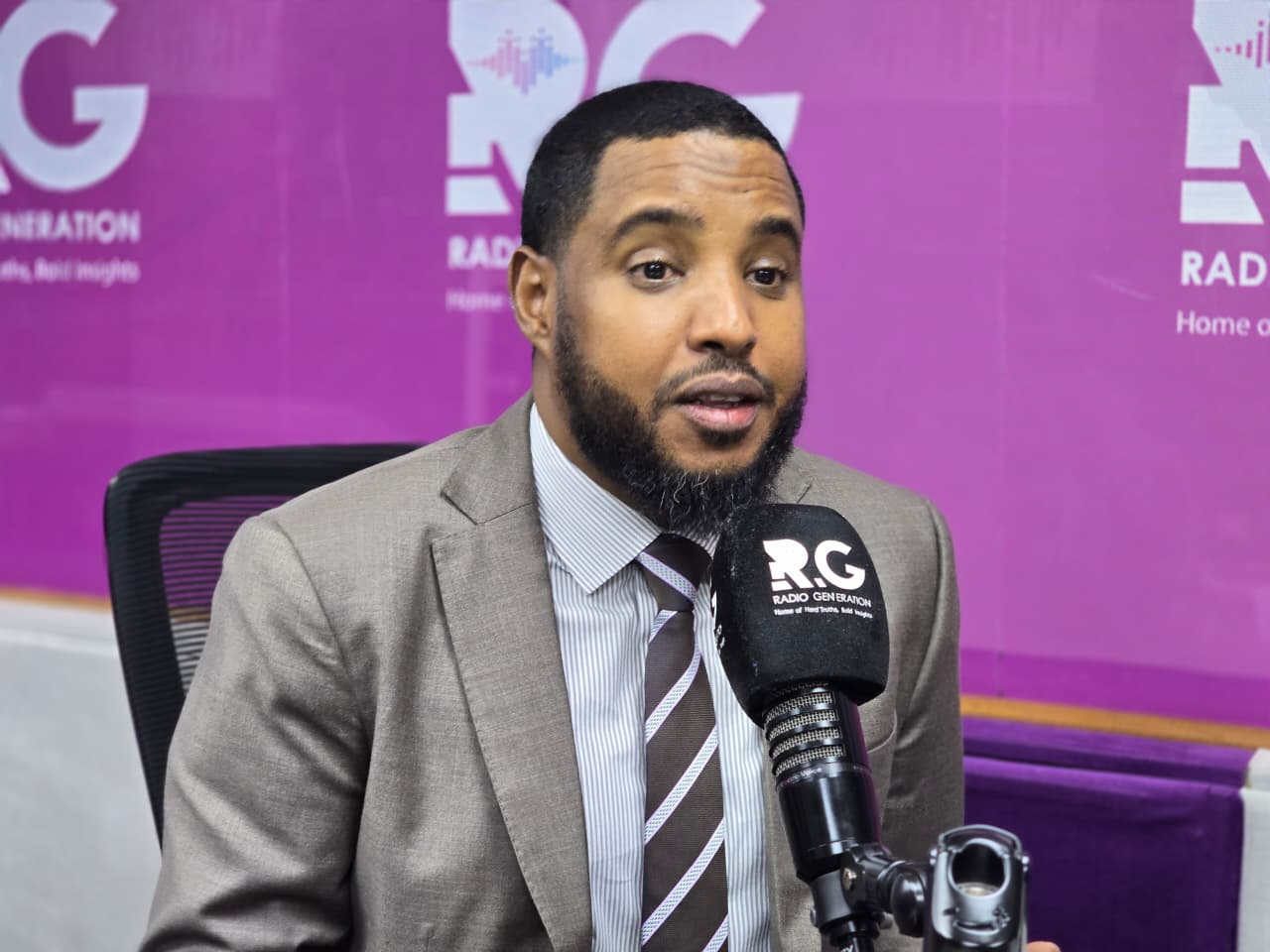
The Human Tissue and Organ Transplantation Bill, 2024, presented by Embakasi West lawmaker Mark Mwenje, outlines strict controls meant to regulate how human tissue is donated, stored, and transplanted.
He told the Health Committee that the reforms are meant to create a safer, more accountable system.
"The primary objective is to establish a robust legal framework that regulates the donation and transplantation of human organs solely for therapeutic purposes, ensuring the safety of donors and recipients while curbing illegal organ harvesting. What we are doing is creating an entire law to address issues of harvesting. What was done in 2022 has not been effective, and that is why we need this substantive law, and the lacuna that exists will be addressed," he said.
The Bill proposes the formation of the Kenya Tissue and Organ Transplantation Authority, which would be responsible for registering facilities, supervising all transplant services and ensuring procedures meet ethical standards.
Under the proposed rules, anyone donating an organ would be required to give written consent in front of two competent witnesses. When it comes to minors, approval from the National Council for Children's Services would be necessary, and the procedure must carry minimal risk.
"This Bill seeks to fill a critical lacuna in Kenyan law. By establishing a regulator and imposing heavy fines and jail terms for illegal trade and unauthorised procedures, it aims to dismantle illegal organ harvesting networks and restore public confidence in the medical transplantation system," Mwenje added.
Buying or selling human organs would be outlawed, with penalties of up to Sh5 million or a jail term not exceeding five years.
Those involved in the unauthorised removal of human tissue, or conducting transplants in unregistered facilities, would face penalties of up to Sh10 million or imprisonment for up to 10 years.
The Bill follows findings by the Independent Investigative Committee on Tissue and Organ Transplant Services, which recommended criminal proceedings against Mediheal Hospital founder Swarup Mishra over suspected organ trafficking.
The committee’s 314-page document, issued to Health Cabinet Secretary Aden Duale, detailed irregularities that pointed to a cross-border kidney harvesting network.
The data examined 452 donors and 447 recipients, with 417 donors and 340 recipients linked to Mediheal Hospital in Eldoret between 2018 and March 2025.
Most were male patients, and while 44 per cent of recipients were Kenyan, 16 per cent were non-Kenyan and 39 per cent had unclear nationality.
The taskforce also asked authorities to investigate four senior hospital officials over unapproved transplants and breaches of medical standards.
Hospital management has repeatedly warned the public, stating, "Please note that organ sale is strictly prohibited and illegal. You can only donate voluntarily and not sell. Only relatives of the patient may donate kidneys."
Duale issued a strong warning to Mishra, saying authorities are prepared to take action if wrongdoing is proven.
"You cannot come to our country 20 years ago with a bag, you make money, you sell our organs, you become a Member of Parliament, you develop a culture of impunity, you hire lawyers, and when you’re pursued, you threaten us? If it means us revoking that citizenship because your citizenship is not by birth, we will revoke the citizenship, we will close your hospital and deport you," he said.
Mishra has said he is ready to face any outcome. "Let the law take its course. I am prepared to face consequences if found guilty," he stated. He added that Mediheal has carried out 476 kidney transplants since 2018, including 371 for Kenyans and 105 for foreign patients, with a mortality rate of below 10 per cent.
Charges range from $35,000 for foreigners to $25,000 for Africans, far lower than the costs in many Western hospitals.
Away from the legal questions, Mishra is also dealing with financial pressure, with six properties in Eldoret set for auction on December 10 due to unpaid loans. The assets include buildings, residential estates and farmland.
A previous order by High Court Judge Reuben Nyakundi suspended the sale after he found there was not enough evidence to show the properties were part of the loan security.




























Comments
Sign in with Google to comment, reply, and like comments.
Continue with Google